
Create a Wallet
Understand account creation, recovery responsibilities and what information must remain private.
Open guide →Manage multi-chain assets, choose the right network, send and receive transactions, connect to DApps, review approvals, and learn the network and security concepts behind each action.
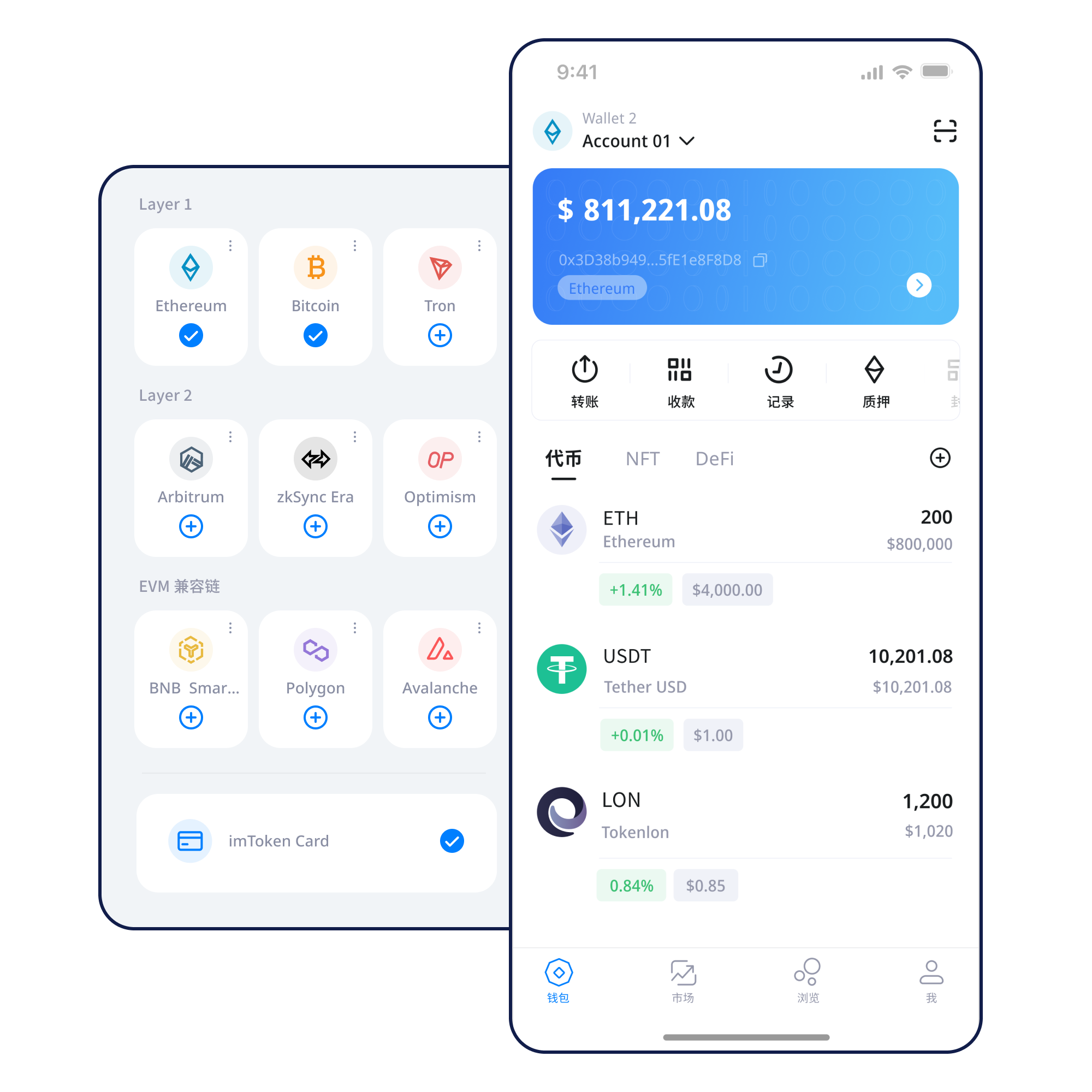
Understand account creation, recovery responsibilities and what information must remain private.
Open guide →Create an offline recovery backup and verify that no seed phrase is stored in cloud or chat tools.
Open guide →Confirm the receiving address and network before asking another party to send funds.
Open guide →Check the destination, network, amount, gas and transaction details before confirming.
Open guide →Verify the domain, requested account scope and each signature or approval separately.
Open guide →From network-aware asset views to transaction records and DApp interactions, each capability is easier to use when the underlying on-chain meaning is clear.
Compare network identity, address formats and confirmation behavior before moving assets.
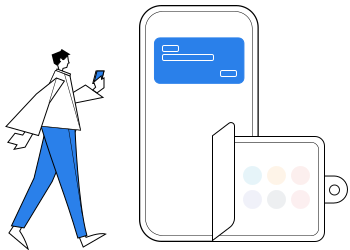
Review the receiving address, network, amount, gas and transaction hash as separate fields.
Use a mobile interface to view assets, manage networks, review transaction history and connect to DApps.
Browser connections should make account scope, signature requests, approvals and disconnecting understandable before confirmation.
Keep seed phrases and private keys offline, then review every DApp approval as a separate permission decision.
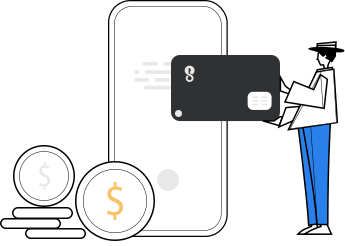
Network names are only the starting point. Check the chain context, gas model, confirmation behavior and transfer route before moving assets.
Compare networks by purpose, address behavior, native gas asset and confirmation model.
Read the guide →Nodes, blocks, transactions and consensus form the public verification path for on-chain state.
Read the guide →
EVM-compatible networks can share address and contract patterns while maintaining independent chain state.
Read the guide →
Layer 2 networks improve scalability but may add bridge, settlement and withdrawal considerations.
Read the guide →
Fees and confirmation state should be read together with the target network and transaction hash.
Read the guide →A repeatable sequence helps users separate setup, backup, network checks, transfers and permission maintenance.
Use the official download entry and review the product scope before setup.
Understand whether you are creating a new account or importing an existing recovery phrase.
Keep the seed phrase offline and never send the private key to another person.
Confirm the target network and address format before moving funds.
Review address, network, amount and gas before the final confirmation.
Check the transaction hash and periodically remove approvals you no longer need.
Connecting a wallet does not mean every later request should be accepted. Verify the domain, requested account access, signature text and approval scope each time.
Security note: Every signature and approval should be reviewed independently.
Open Web3 guide →A seed phrase and private key should remain under the user’s control. imtoken staff will not ask for them. Before transfers, verify the address, network and amount. Before DApp actions, inspect the signature or approval target and scope. On-chain transactions generally cannot be reversed by a wallet provider, so careful review before confirmation matters.
Open Security CenterStart with the relationship between addresses, seed phrases, private keys, networks, gas and transaction hashes. Then learn how DApp connections and token approvals extend wallet usage into Web3. Understanding these terms as a workflow makes it easier to spot mismatched networks, unexpected permissions and unsafe requests.
Read the starter guide →Understand validators, reward sources, withdrawals, exits, penalties and smart-contract risks before considering participation.
Ethereum PoS uses validators to participate in consensus. Rewards depend on network rules and conditions, while withdrawals and exits can involve protocol-defined processes and waiting periods.
Read more →Staking does not guarantee returns. Validator penalties, smart-contract risk, waiting time, third-party service risk and digital asset price volatility should all be considered.
PoS & Validators →Updates are organized by topic without invented dates, user counts, rankings or partnership claims.
Key questions about wallets, networks, transactions, DApps and security.
A digital wallet manages on-chain accounts and signing authority. Assets are recorded on blockchain networks, while the wallet helps users manage keys, addresses, networks and transaction actions.
A seed phrase can usually derive one or more account keys, while a private key directly controls a specific account. Both are highly sensitive and should be stored offline rather than in screenshots, cloud drives or chat messages.
No. Users are responsible for their seed phrase and private keys. imtoken staff will not ask for them and cannot recover a private key on the user’s behalf.
Many EVM-compatible networks use the same address format, but balances, gas assets and chain state are independent. Always verify the destination network.
Gas is the pricing mechanism for the computation needed to execute transactions or smart-contract operations. Actual cost depends on network conditions, transaction complexity and fee parameters.
A transaction hash is a public identifier that can be checked in a block explorer to review status, confirmations and execution results.
The transaction may still be pending, or you may be viewing a different network or token contract. Check the transaction hash, network and confirmation state first.
Use the download entry when you are ready, or review the getting-started and security guides first.